
Buying a 2‑Unit or Condo in South Boston, South End, and East Boston — My Fall 2026 Checklist
09/28/26
I’m Benji test, a Boston-based real estate enthusiast. Here’s the first-person, neighborhood-specific checklist I use right now (Fall 2026) to evaluate small multifamily and condo deals in South Boston, the South End, and East Boston—financing, inspections, zoning and rental rules, insurance and flood risk, plus on-the-ground tips.
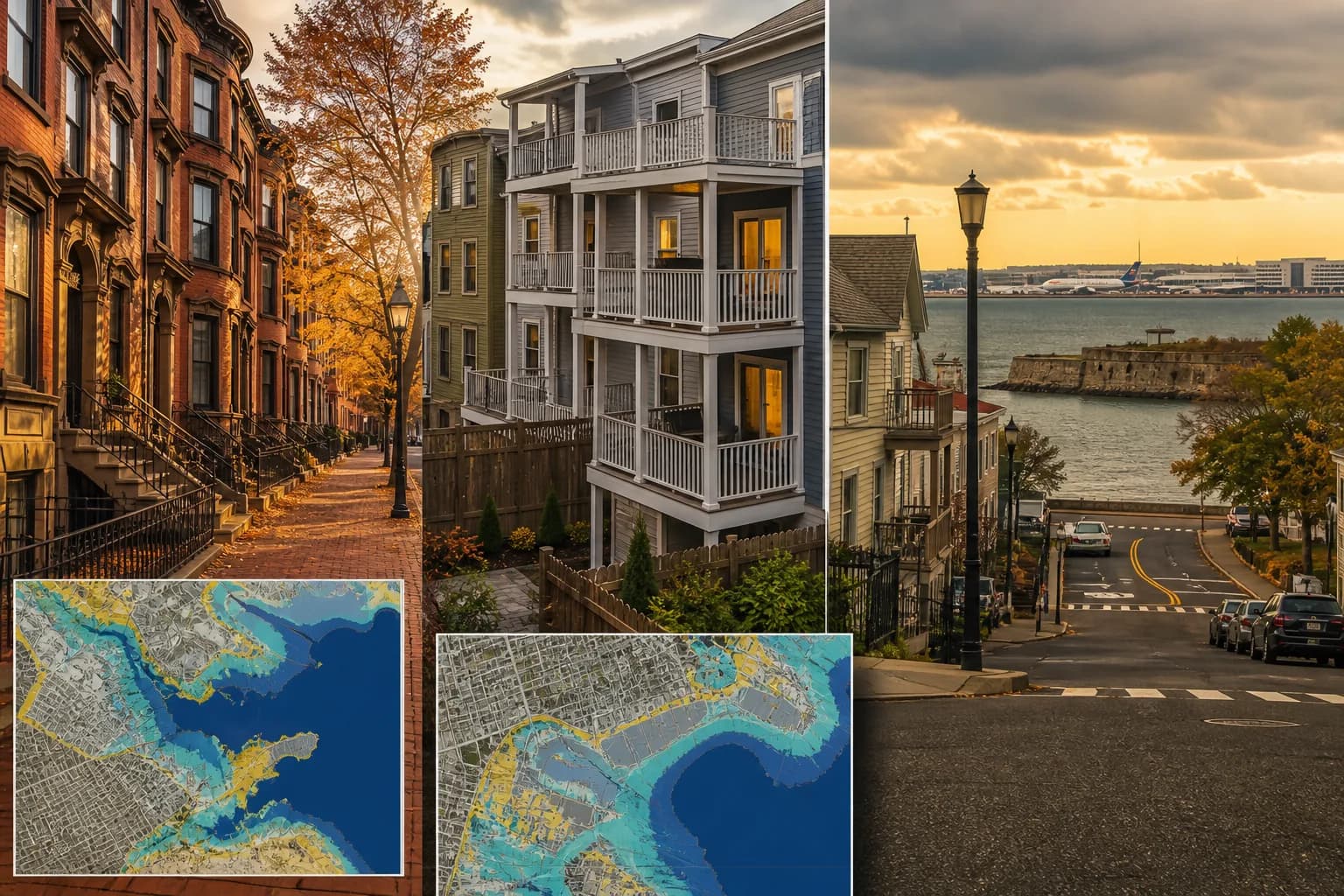
My Fall 2026 checklist for buying a 2‑unit or condo in South Boston, the South End, and East Boston
Hi, I’m Benji test, a Real Estate Enthusiast based in Boston. I spend most of my time walking listings and comparing small multifamily and condo opportunities across South Boston, the South End, and East Boston. Below is the same practical, first-person checklist I’m using with buyer‑investors this fall (as of September 28, 2026).
Quick local snapshot (Fall 2026)
- South End: A dense mix of historic brick rowhouses (many converted to condos) and larger associations; it’s one of Boston’s best-known Victorian districts and remains a strong condo market. (bostonplans.org)
- South Boston: A big share of activity is condo living—from converted triple‑deckers to newer buildings on and near the waterfront. Expect a different feel between the traditional peninsula and the Seaport/South Boston Waterfront next door. (bostonplans.org)
- East Boston: Planning policy is actively shaping growth, climate resilience, and housing near the waterfront and transit, which matters for permitting and long‑term risk. (bostonplans.org)
I avoid broad claims about “the market” without sources. When I want orientation, I cross‑check the BPDA neighborhood profiles and City budget books for recent, neighborhood‑level housing context. (bostonplans.org)
How I screen listings (before I ever book a showing)
-
Confirm the legal use and unit count.
- I pull the City’s Record of Legal Occupancy and past permits to verify whether a “2‑family” is truly legal-as-two (R2) and whether any basement/garden units are recognized. If a seller marketed a “bonus” suite, I assume it’s non‑conforming until the paperwork proves otherwise. (content.boston.gov)
-
Check condo health early (for condos or 2‑to‑4s split into condos).
- I look at the operating budget, reserves, recent special assessments, and any structural/critical repair disclosures. Fannie Mae’s current project standards require that the budget generally allocate at least 10% to reserves (or a reserve study demonstrating equivalency), and they retain heightened scrutiny for significant deferred maintenance. That can affect buyer financing and resale liquidity. (selling-guide.fanniemae.com)
-
Validate rent assumptions the same way I underwrite flips: with today’s data.
- I look at current asking rents (not last year’s leases) on large platforms and cross‑check with Zillow’s ZORI methodology to understand trend direction, while remembering it’s an index. For voucher demand, I also check the Boston Housing Authority payment standards by ZIP as a ceiling guide for HCV tenants (these are program benchmarks, not market comps). (zillow.com)
-
Map the flood and climate overlay before I fall in love with a property.
- I run the address through FEMA’s Flood Map Service Center to see if it’s in a Special Flood Hazard Area (AE, VE), then layer on Boston’s Coastal Flood Resilience Overlay District (CFROD) to anticipate design/permit implications—especially in East Boston and parts of South Boston’s waterfront. (dejavu.org)
-
For East Boston locations, I also note airport noise exposure.
- Portions of East Boston sit within Logan’s DNL 65 dB noise contour; Massport has an active Residential Sound Insulation Program there. That doesn’t kill a deal for me, but I budget for better windows and ventilation where appropriate. (massport.com)
Financing primer I walk buyers through (owner‑occupants and small investors)
- Conventional (owner‑occupied): As of 2026, Fannie Mae permits 5% down on owner‑occupied 2‑ to 4‑unit principal residences (minimum borrower contribution rules apply). This update, rolled out after November 2023, continues to be reflected in the 2026 Selling Guide materials. I confirm with your lender how they treat reserves and any pricing adjustments for multi‑unit collateral. (singlefamily.fanniemae.com)
- FHA (owner‑occupied): FHA’s “self‑sufficiency” test applies to 3‑ and 4‑unit properties—the net market rents (per FHA calc) must cover PITI—or the loan won’t qualify. Duplexes don’t take this test, which is why many house‑hackers in Boston focus on 2‑families. Always have your lender run the official calculation early. (hud.gov)
- MassHousing: If you’re income‑eligible and plan to occupy, MassHousing programs can finance 2‑ to 4‑unit purchases and sometimes help with energy upgrades. I have buyers pre‑screen with participating lenders before we write. (masshousing.com)
- Pure investor loans: Terms vary by lender and change frequently. I coach clients to price in higher down payments, more reserves, and potentially rate add‑ons for non‑owner‑occupied 2–4s—then we confirm with two competitive loan quotes before the offer.
I do not quote rates in a post—rates change daily—so we build a live lender quote into your property pro forma the week we plan to offer.
Inspection focus: small multifamily and 19th‑/early‑20th‑century condos
I block extra time for these Boston‑specific red flags:
- Knob‑and‑tube wiring: Active K&T commonly blocks Mass Save‑supported insulation work until a licensed electrician certifies it inactive or it’s remediated. Even if you’re not using incentives, burying live K&T in insulation is a known safety problem. I ask inspectors to sample outlets and attics and I plan remediation into the budget. (masssave.com)
- Shared or aging mechanicals: I look for separate electrical and gas meters and the real age/output of boilers and water heaters. “New” stickers don’t mean properly sized or permitted.
- Water management: Rowhouse and triple‑decker roofs, rear porches, and areaways are notorious leak paths; I look for patched masonry and flashed transitions and I scope basements for prior water lines.
- Egress and life safety: Every residential unit must have two means of egress; illegal basement units, missing rescue openings, or blocked second exits are deal‑breakers for me. (boston.gov)
Zoning, permits, and rental rules I verify every time
- Change of use/occupancy can trip bigger reviews: A past “conversion” without approvals can haunt a sale. If a seller added a garden apartment, I assume we’ll need to legalize it—or unwind it—unless ISD records and a Certificate of Occupancy say otherwise. I start with the City’s legal occupancy lookup and long‑form/alteration permit history. (content.boston.gov)
- Annual Rental Registry: In Boston, every residential rental unit—including condos—must be registered each year (due by July 1). Owner‑occupied buildings with six or fewer units still must register, though they’re typically exempt from the registration fee. If ISD selects your property, periodic inspections apply. I confirm status in the City portal during diligence. (content.boston.gov)
- Short‑term rentals (STRs): Boston limits STRs to primary residences with narrow “owner‑adjacent” allowances in owner‑occupied 2‑ and 3‑families where the owner holds all units; registration with ISD and a business certificate are required. Investor units (non‑primary) are not eligible. If STR income factors into a deal, I verify it aligns with the ordinance before underwriting a dollar of it. (content.boston.gov)
- Property taxes: The FY26 residential tax rate was $12.40 per $1,000 of assessed value. FY27 rates are typically set later in the calendar year; I check the Assessing page for updates during escrow. (boston.gov)
I’m not an attorney, and this isn’t legal advice. For condo conversions, tenancy matters, and STR compliance, I always recommend a Boston real estate attorney.
Insurance and flood risk: what I price in
- Condo buyers: Budget for an HO‑6 (walls‑in) policy and understand what the master policy covers. Associations can assess owners for certain deductibles or losses—your HO‑6 may need loss‑assessment coverage. I review these line items with your insurance agent before the P&S. (mass.gov)
- Flood insurance: If a property sits in a FEMA Special Flood Hazard Area and you have a federally backed mortgage, flood insurance is mandatory. I run the FEMA map early and request quotes so we know the true PITI before offering. (floodsmart.gov)
- CFROD overlay: In Boston’s Coastal Flood Resilience Overlay District, additional design standards may apply to projects. This mostly affects renovations and future work, but I want buyers to know it up front—especially around Eastie’s waterfront and low‑lying parts of South Boston. (content.boston.gov)
Neighborhood‑specific notes I use on tours
-
South Boston
- Stock and demand: Expect many condo options across the peninsula, and a different product mix and pricing story near the South Boston Waterfront/Seaport. I check for any coastal/flood overlays on addresses close to the harbor. (bostonplans.org)
- What I double‑check: Porch/roof condition on older 2‑families, egress routes in garden/garden‑plus units, and any claims of “finished basement suites.” (boston.gov)
-
South End
- Stock and demand: Classic rowhouse conversions and established associations dominate; budgets, reserves, and any structural/critical repair disclosures drive financing. I scrutinize condo docs and recent assessments. (bostonplans.org)
- What I double‑check: Masonry/façade, rooflines behind parapets, older electrical, and whether the HOA is meeting modern reserve guidance that lenders like to see. (selling-guide.fanniemae.com)
-
East Boston
- Stock and demand: A substantial share of the housing near the waterfront has planning guidance under PLAN: East Boston. I use that plan to anticipate design and permitting context for alterations. (bostonplans.org)
- What I double‑check: FEMA flood zones, CFROD implications, and airport noise mitigation potential (window/door packages). (dejavu.org)
My step‑by‑step due diligence checklist (you can copy/paste this)
- Pull the legal occupancy and permits (ISD). If anything looks off, assume a zoning/occupancy fix is needed. (content.boston.gov)
- For condos: request full docs—budget, reserves, master insurance, meeting minutes, special assessment history—and test them against current Fannie Mae project‑eligibility expectations. (selling-guide.fanniemae.com)
- Run comps on today’s asking rents and sanity‑check with BHA payment standards if you may lease to voucher holders. (bostonhousing.org)
- Order a home inspection with a Boston‑savvy inspector. Add electrician/HVAC/roofing specialists as needed; specifically ask about K&T, shared utilities, and life‑safety egress. (masssave.com)
- Map flood risk and price flood insurance if applicable; note CFROD. (floodsmart.gov)
- Confirm Boston Rental Registry status and whether the unit(s) are due for inspection. (content.boston.gov)
- Align financing with the property: owner‑occupied 2‑ to 4‑unit (conventional or FHA) vs. investor loan—then lock estimates inside your pro forma before you offer. (singlefamily.fanniemae.com)
- Review taxes (recent tax bill, FY rate, and residential exemption eligibility if you’ll live there). (boston.gov)
Related reads from my blog
- Winter prep for exteriors, porches, and roofs: Winter-Ready Your Boston Home (Fall 2026)
- Where active-lifestyle buyers often find value right now: Best-Value Boston Neighborhoods for an Active Lifestyle (Fall 2026)
- If you’re selling one place to buy another: Fall 2026 Seller’s Guide
- How I compare blocks and buildings on foot: How I Evaluate Boston Neighborhoods for an Active Lifestyle
What I do next with clients
If you want a 2‑unit to house‑hack or a condo with strong HOA fundamentals this fall, I’ll:
- Build a custom shortlist based on your target monthly payment and risk profile.
- Pre‑screen each address for legal occupancy, likely flood exposure, STR eligibility (if relevant), and quick‑and‑dirty rent comps.
- Walk the buildings with you to pressure‑test egress, porches, rooflines, and mechanicals.
Reach out and I’ll send you my latest shortlist across South Boston, the South End, and East Boston—with my notes and a financing game plan attached.
— Benji test, Real Estate Enthusiast, Boston, MA