Best-Value Boston Neighborhoods for an Active Lifestyle (Fall 2026): South Boston, South End, and East Boston
09/16/26
I compared South Boston, the South End, and East Boston through a late‑summer 2026 lens—market stats, transit, parks, and practical buying tips—so active buyers can focus their search with confidence.
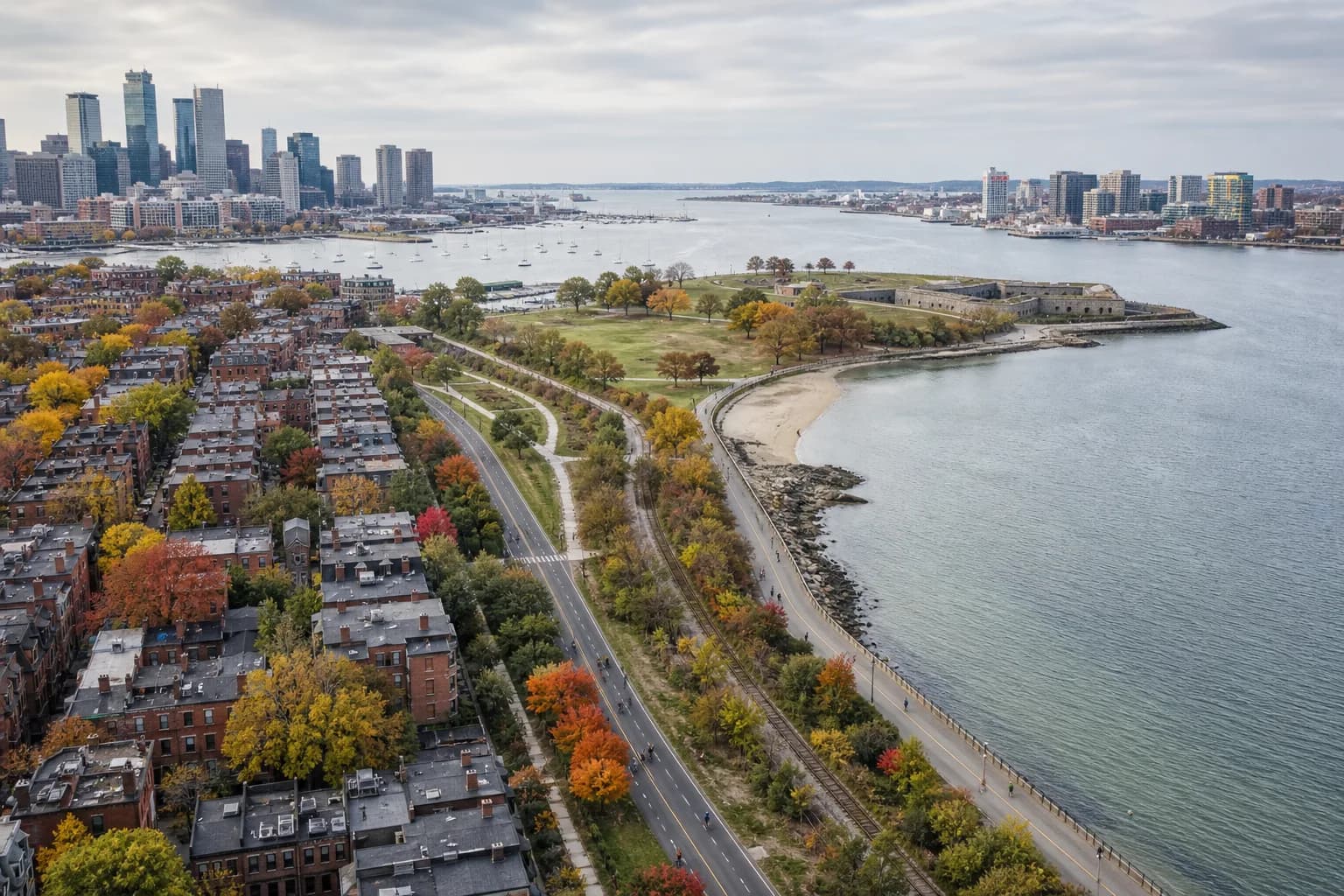
If you’re shopping Boston right now with an active lifestyle in mind, three neighborhoods should be on your short list: South Boston, the South End, and East Boston. I tour in all three weekly, and this fall I’m seeing meaningful differences in price positioning, inventory, and daily-life perks like trail access, beaches, and quick transit options. Below is how I’m evaluating each area this season, with current data and on-the-ground context to help you decide where your dollar (and day-to-day routine) go furthest.
Related reads on my blog:
- Fall 2026 Seller’s Guide: How to Prepare and Price a Home in Boston, South Boston, South End, and East Boston (/blog/fall-2026-sellers-guide-boston-south-boston-south-end-east-boston)
- How I Evaluate Boston Neighborhoods for an Active Lifestyle (South Boston, South End, East Boston) (/blog/active-living-house-hunting-boston-neighborhoods-home-gym-tips-2026)
Market snapshot (as of late summer 2026)
- South Boston: Over the three months ending August 2026, the median sale price was about $917,000, with a median 28 days on market—still a competitive setup heading into fall. Realtor.com classifies South Boston as a seller’s market in August 2026. (redfin.com)
- South End: Over the three months ending June 2026, the South End’s median sale price was around $1.2M (up ~5.5% year over year). For-sale inventory in the South End registered about 205 homes as of August 31, 2026, and Realtor.com showed a balanced market in August. (redfin.com)
- East Boston: In the three months ending August 2026, East Boston’s median sale price was about $699,000, with price per square foot near $604. Redfin shows 139 condos currently for sale and an average of roughly two months on market—useful leverage for buyers who want value with harbor access. (redfin.com)
A couple of recent, real-world sales to ground these ranges:
- South End: 159 St. Botolph #1 closed on September 3, 2026 for $1,050,000 (2 bed, 1.5 bath). (redfin.com)
- South Boston: 309–311 Emerson St. #8 closed at $590,000 in mid‑2026 (1 bed) and 838 E Broadway #7 at $440,000 (1 bed), illustrating smaller-footprint condo pricing on the East Side. (redfin.com)
- East Boston: 320 Maverick St. #209 sold for $757,700 (2 bed) and 156 Porter St. #440 for $600,000 (1 bed)—two common product types near the Greenway/Jeffries Point district. (redfin.com)
Neighborhood-by-neighborhood: how I match buyers to the right fit
South Boston (“Southie”) What I love for active buyers: direct access to Castle Island, Pleasure Bay, M Street and Carson Beaches, and long, scenic Harborwalk stretches for running and cycling. On summer‑to‑fall weekends, I’ll jog the loop around Pleasure Bay and finish at Castle Island; it’s a classic Boston routine. (mass.gov) Transit/commute: Red Line at Broadway and Andrew plus the Silver Line to Seaport connect quickly to downtown and South Station. Expect frequent one‑transfer rail options to Back Bay and beyond. (mbta.getanchor.io) Parking reality: Much of South Boston is Resident Parking Only; if a listing doesn’t have deeded or garage parking, factor the resident permit process and street-cleaning rules into your daily plan. (boston.gov) Typical housing: Rowhouse conversions and newer condo buildings; some renovated multi‑families. Who it fits: buyers who want beaches + an easy Seaport/South Station connection, and don’t mind a busier vibe with game-day and beach traffic.
South End What I love for active buyers: access to the Southwest Corridor Park (miles of paved paths that connect the South End to Back Bay and Jamaica Plain), plus pocket parks and courts near Peters Park and SoWa. This is my top pick for buyers who want a fitness‑by‑foot lifestyle without the waterfront premium. (mass.gov) Transit/commute: Multiple Orange Line stations and frequent buses; Back Bay Station offers Orange Line and Commuter Rail. You’ll also find practical bike routes and short Harborwalk connections via downtown. (mbta.getanchor.io) Parking reality: Street parking is highly competitive; premium listings emphasize deeded spaces. Budget realistically if you need a spot. (boston.gov) Typical housing: Brownstone condos, parlor‑level floor‑throughs, and renovated townhouses, with loft options near SoWa. Who it fits: buyers prioritizing walk-to-dining, boutique gyms and studios, and a calmer streetscape than the waterfront.
East Boston (“Eastie”) What I love for active buyers: the Mary Ellen Welch (East Boston) Greenway ties Piers Park and waterfront overlooks to neighborhood parks—a go‑to morning run or bike errand route. Seasonal ferries and frequent Blue Line service make car‑lite living easy. (boston.gov) Transit/commute: Blue Line to downtown, plus two ferry options: MBTA’s East Boston–Long Wharf and the Seaport TMA’s East Boston–Fan Pier route at commute hours. If you work in the Seaport or Financial District, these can beat the car. (ferryhost.com) Parking reality: Many blocks require resident permits; newer condos may include garage spaces—check the HOA docs early. (boston.gov) Typical housing: A mix of new-construction condos (often with roof decks or gyms) and classic three‑deckers. Who it fits: buyers wanting harbor views, trail access, and strong value compared with core brownstone neighborhoods, with slightly longer average days on market to negotiate. (redfin.com)
Walks, rides, gyms, and the Harborwalk
- Harborwalk: Continuous for most of the shoreline (43 of 47 miles completed) and expanding via ongoing planning along the Reserved Channel/Basin Loop in South Boston. Great for long runs and weekend rides. (bostonharbornow.org)
- Southwest Corridor Park (South End): A 4‑plus‑mile linear park with bike and running paths linking Back Bay to Forest Hills. (mass.gov)
- East Boston Greenway: City-led improvements are advancing access and resilience near the waterfront nodes—good news for daily users. (boston.gov)
What to watch in late 2026
- Coastal resilience planning: The U.S. Army Corps’ Boston Coastal Storm Risk Management Study released a draft this summer; public comment runs through mid‑September 2026. It directly considers long‑term coastal flood risk in East Boston and South Boston, among others—important context when you’re buying near the water. (nae.usace.army.mil)
- Greenway and Harborwalk upgrades: Design updates on the Mary Ellen Welch Greenway and planning for the Harborwalk Basin Loop point to continued waterfront connectivity—great for lifestyle and long‑term neighborhood appeal. (boston.gov)
Seasonal (fall) buying tips I use with clients
- Leverage the data: As of August 2026, South Boston is still tight, the South End carries premium pricing with balanced conditions, and East Boston shows more negotiation room via longer time on market. Align tour strategy and offer terms with those dynamics. (redfin.com)
- Tour at off‑peak hours: In South Boston, see how beach and game‑day traffic affects your routes; in East Boston, time a Blue Line + ferry test commute; in the South End, bike the Southwest Corridor at your expected commute hour. (ferryhost.com)
- Inspect for seasonal performance: Look closely at windows, heating systems, roof/brick façades, and deck waterproofing before the first freeze; older brownstones and seaside properties warrant extra attention.
My active‑buyer checklist (bring this to showings)
- Daily movement: Can you walk to a trail/park in 10 minutes or less (Harborwalk, SW Corridor, or Greenway)? Try the loop before you write an offer. (bostonharbornow.org)
- Storage and fitness at home: Where do bikes, skis, and strollers live? If the HOA advertises a gym, confirm equipment, hours, and guest policy in writing.
- Transit reality check: Map your true door‑to‑desk. For South Boston, look at Red + Silver Line options; for the South End, Orange Line and cycling routes; for East Boston, Blue Line and ferry. (mbta.getanchor.io)
- Parking plan: If there’s no deeded/garage space, confirm you qualify for a Boston Resident Parking Permit and review street cleaning restrictions. Factor the cost/time of hunting for a space. (boston.gov)
- Fees and reserves: In condo buildings, review the budget, reserve study (if any), and pending assessments—especially in elevator buildings and those with roof decks or parking lifts.
- Flood and insurance due diligence: Use FEMA’s NFHL/MassGIS to check flood zones, then review the City’s flood‑district permitting standards and climate‑resilience resources. In waterfront‑adjacent areas of East Boston and South Boston, this is a must‑do. (mass.gov)
Who gets the best value where (my plain‑English take)
- South Boston: Pay a bit more than Eastie, less than many South End comps, and trade that for beach and Harborwalk access plus fast connections to Seaport/South Station. If you’re a runner or beach walker who wants a lively neighborhood, this is a strong pick. (redfin.com)
- South End: Premium pricing buys brownstone charm, restaurant density, and Southwest Corridor access. If you want a quieter urban feel with top‑tier dining and studio options, it earns its premium. (redfin.com)
- East Boston: Best overall value for waterfront views and a trails‑plus‑transit lifestyle, with more inventory and slightly longer DOM giving buyers room to negotiate. Ferries are a bonus for Seaport and Financial District commutes. (redfin.com)
Let’s make a plan If you want a focused, first‑person tour—morning run on the Harborwalk, coffee on the Greenway, and a Red/Blue/Orange Line test commute—I’m happy to tailor a route around the homes you’re eyeing. I’ll also send you a custom market snapshot (inventory, medians, and DOM) for just your price band and unit type.
I’m Benji test, Real Estate Enthusiast based in Boston. Great at looking at houses—and even better at matching a neighborhood to how you live. Reach out and I’ll get your fall 2026 search moving.