Fall 2026 Seller’s Guide: How to Prepare and Price a Home in Boston, South Boston, South End, and East Boston
09/14/26
Listing this fall in Boston? I break down what to do, when to do it, and how I price in South Boston, South End, and East Boston—plus an easy prep checklist and open house tips for cooler months.
By Benji test, Real Estate Enthusiast — Benji test
Selling this fall and wondering if it’s the best time to sell a house in Boston in 2026? I’ve put together a practical, first‑person guide to help you prep, stage, and price—whether you’re listing a South Boston condo, a South End brownstone, or a classic East Boston triple‑decker. You’ll find seasonal to‑dos, neighborhood‑specific angles, and how I use the latest MLS PIN and GBAR reports to set the right price. If you’re comparing “sell house Boston fall 2026” options or asking “how to price a condo in South Boston 2026,” you’re in the right place. For quick curb appeal wins, jump to the Boston fall home maintenance checklist below.
Why fall 2026 matters in Boston
- Post–Labor Day is when many new listings hit locally, and buyers reset after summer. Early data points show time-on-market patterns shifting this year; Realtor.com’s August 2026 report flagged Boston among metros with a noticeable uptick in listing time versus last year—useful context as we plan pricing and days-on-market expectations. (realtor.com)
- For a current read on pricing power, I look at Greater Boston Association of REALTORS (GBAR) and MLS PIN trend snapshots before we list. July 2026 GBAR territory data showed modest year-over-year price gains and slightly longer market times—a signal to dial in condition, presentation, and pricing precision this fall. (gbreb.com)
Neighborhood snapshots: who’s shopping and what they value
Across Boston (citywide)
- Buyer priorities: transit access, updated systems (heating, electrical), efficient layouts, outdoor nooks (balconies, roof decks, pocket yards), and parking/storage where available.
- Timing: Aim to launch between early September and mid‑October for the broadest pool; late October/November can still work—lean harder on staging and lighting.
- Data pulse: I triangulate GBAR monthlies and MLS PIN quarterlies to benchmark pricing and absorption before we pick a strategy; if a unit type is sitting longer, we adjust our launch and price bands. (gbreb.com)
South Boston ("Southie")
- Commute and MBTA: Red Line stations at Broadway and Andrew keep demand strong with quick links into the core; the Silver Line also connects through the Seaport and to Logan via SL1. Call this out in your listing copy and at showings. (bostonplans.org)
- Property mix: Lots of condos and newer townhomes; finishes, parking, and outdoor space often determine bidding strength. If your unit faces the waterfront or has Seaport proximity, highlight walkability and transit options.
- Seasonal curb appeal: Fresh paint on stoops/railings, planters with fall color, and a clean entry sequence matter in denser blocks where first impressions are made curbside. South Boston’s transportation planning work underscores the neighborhood’s Red Line access talking points. (bostonplans.org)
South End
- Commute story: Washington Street’s Silver Line (SL4/SL5) serves the South End corridor into Downtown/South Station; Back Bay Station (Orange Line/Commuter Rail) is a major hub nearby. Buyers who prize car‑free living notice. (boston.gov)
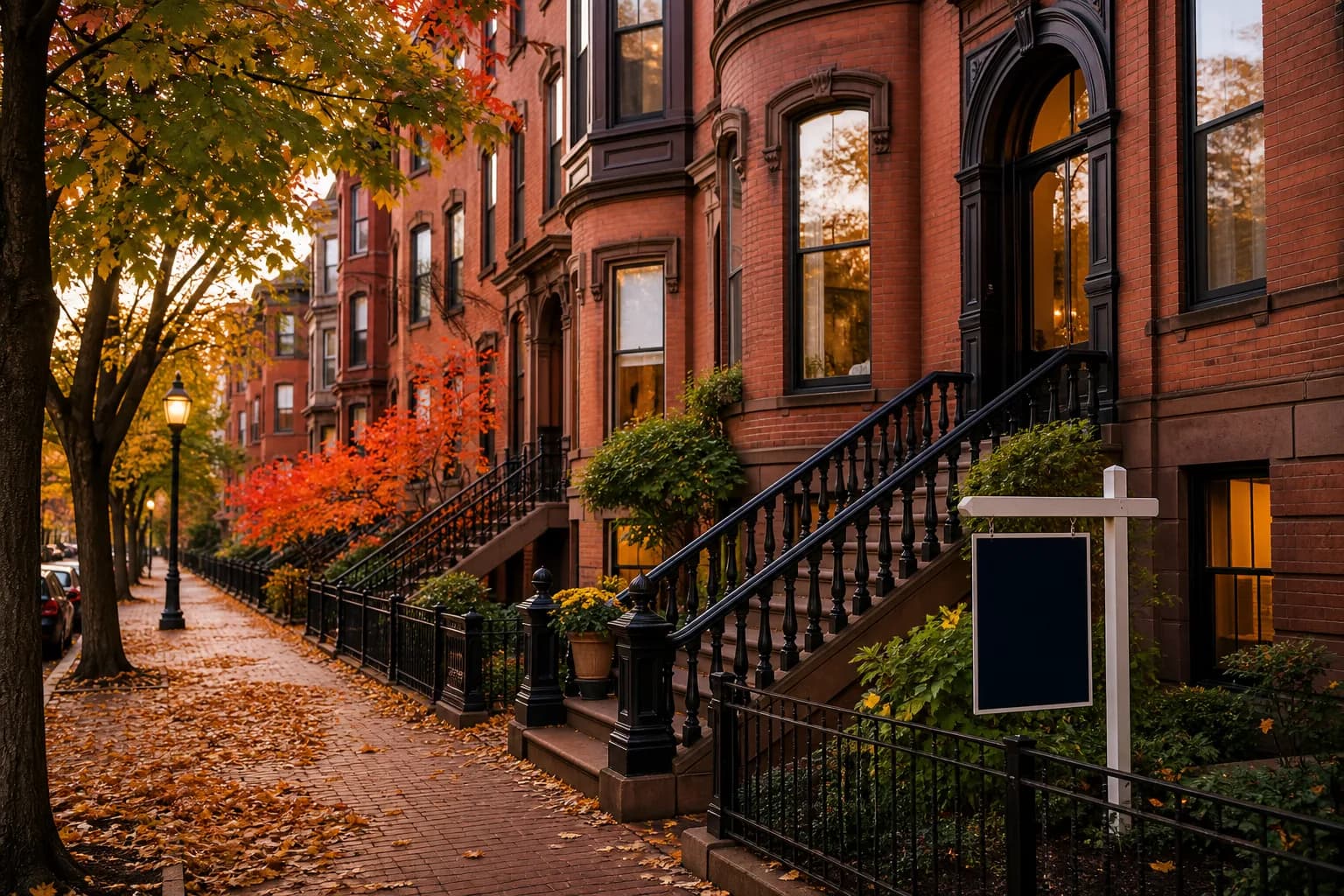
- Presentation: Historic brownstones shine with warm lighting, polished hardwoods, and staged dining/living that read well at twilight (earlier sunsets in fall). Quiet, well‑run associations with healthy reserves can also boost buyer confidence—pull docs early.
East Boston
- Transit advantage: Five MBTA Blue Line stops (including Maverick and Airport) plus Inner Harbor ferry options make Eastie a perennial favorite for commuters and frequent flyers. If you’re within a short walk of Maverick or Airport, say it plainly. (bostonplans.org)
- Home types: Classic multi‑families and condos; emphasize updated systems, energy efficiency, and storage for bikes/strollers. For homes near the waterfront, keep porches and entryways clutter‑free so the approach feels open and bright.
Boston fall prep: my short, skimmable checklist
Use this to get your home “show ready” in one to two weekends.
- Exterior and entries
- Power‑wash steps/walkways; touch up trim and railings.
- Swap in seasonal planters; add low‑profile, warm entry lighting.
- Rake and bag leaves; schedule yard waste pickup using the City’s 2026 calendar/app. Collection runs April–December on scheduled weeks. (boston.gov)
- Roof, gutters, and drainage
- Clear gutters/downspouts; extend leaders to move water away from the foundation.
- If you’ve had ice dams before, document recent mitigation (insulation/air sealing receipts) for buyers.
- HVAC and air quality
- Change filters; book a heating tune‑up now (before the first cold snap). A clean service report is listing‑day gold.
- Consider a Mass Save Home Energy Assessment; many upgrades carry 2026 rebates and 0% HEAT Loan financing. Bring documentation to show buyers lower running costs. (masssave.com)
- Interior staging for early sunsets
- Warm bulbs (2700–3000K), layered lamps, and reflective accents help photos and twilight showings.
- Edit closets and storage cages hard—Boston buyers prize every cubic foot.
- Safety and sale readiness
- If your property is a single‑ to five‑unit residence built before 1975, plan for the Boston Fire Department’s Smoke/CO inspection and certificate before closing; schedule soon after P&S. (boston.gov)
- Condos: request your 6(d) certificate from the association early to confirm no unpaid common charges at closing. (malegislature.gov)
How I price in fall 2026 (and what data I use)
Here’s my repeatable process so you know exactly how I’ll set your list price:
- Define the micro‑market: I segment comps by a tight radius and immediate transit axis (e.g., South Boston within quick reach of Broadway/Andrew; South End along SL4/SL5 corridor; East Boston within a 10–12 minute walk of Maverick/Airport). Transit proximity consistently shows up in buyer inquiry patterns and tour feedback. (bostonplans.org)
- Pull fresh comps: I use MLS PIN (closed, under‑agreement, and active) from the past 60–90 days, then layer GBAR monthly snapshots and the latest MLS PIN quarterly visuals for trend direction. For context, GBAR’s July 2026 snapshot showed year‑over‑year price increases with days on market drifting up a bit for both single‑families and condos—signal to avoid “reach” pricing unless your condition is best‑in‑class. (gbreb.com)
- Reality‑check against buyer pace: National portals capture buyer search behavior. In August 2026, Realtor.com highlighted longer time on market in Boston vs. last year; I translate that into launch‑week price sensitivity and plan for the right first‑week adjustments if showings lag. (realtor.com)
- Pre‑inspection and fixes: In older housing stock, quick wins (GFCI outlets, slow drains, basic carpentry) help protect list price and appraisal. We decide what to do vs. disclose based on net impact.
Timing your listing and open houses in cooler months
- Launch window: Early to mid‑September maximizes post‑Labor Day attention—but avoid the city’s peak September 1 moving crunch when streets are jammed and parking is scarce. The City actively manages this period with temporary restrictions and permits; we’ll steer around it for smoother showings. (boston.gov)
- Photography: Book interior photos by mid‑afternoon; schedule twilight exteriors the same day for consistent skies and warm glows.
- Open house cadence: Saturday late morning and Sunday early afternoon work well as daylight shortens. If weather turns, pivot to appointment windows with flexible blocks.
- Parking and wayfinding: I’ll provide clear transit notes (e.g., Red Line to Broadway/Andrew, Blue Line to Maverick/Airport, Silver Line to South Station/DTX) so buyers can skip the car and arrive relaxed. (bostonplans.org)
Condo vs. single‑family nuances I flag for sellers
- Condos: Pull and share association docs (budget, reserves, master insurance, recent projects), confirm pet/rental policies, and request that 6(d) certificate early to avoid closing delays. (malegislature.gov)
- Single‑families: System age and maintenance history carry extra weight; fall service logs (boiler/furnace, chimney if applicable) and gutter/roof care are small investments that protect price.
Quick walk‑through checklist (bring this on prep day)
- Entry: new doormat, working latch, bright bulb, clean mail area.
- Kitchen: clear counters, fresh caulk at sink, quiet close on any sticking drawers.
- Baths: re‑grout/caulk, new shower curtain/liner, polished fixtures.
- Bedrooms: neutral bedding, one focal art piece, closets thinned by 50%.
- Utility: fresh filters, labeled shut‑offs, tidy mechanical room.
- Paperwork: pull service receipts, Mass Save assessment report (if you did one), condo docs, and Smoke/CO inspection plan. (masssave.com)
Want a custom fall 2026 market snapshot for your address?
I’m happy to put eyes on your place and send a same‑week pricing brief: recent comps from MLS PIN, a 30‑day showing strategy, and a prep plan tailored to your building and block. If you’re thinking about an active‑lifestyle angle for buyers, you might also like my post on evaluating neighborhood amenities: How I Evaluate Boston Neighborhoods for an Active Lifestyle.
Let’s start with a quick call or walk‑through. I’ll bring the data (and the leaf bags).